Logan Bauer · 17 September 2026
Mapping Domain Evolution Through Structured Annotation Logs for Post-Relocation Performance Tracking
Domain relocation projects require systematic approaches to monitor how websites evolve once they move to new hosting environments or URL structures, and structured annotation logs provide the framework that turns raw server data into traceable records of performance shifts. These logs capture timestamps, crawl patterns, and content updates in a consistent format that allows teams to reconstruct the sequence of changes without relying on scattered notes or ad hoc spreadsheets.
Core Components of Structured Annotation Logs
Teams build these logs around standardized fields that include domain identifiers, relocation dates, HTTP status codes, and external link references, while additional columns often record crawl budget allocation and anchor text distributions. Data indicates that organizations adopting this format reduce the time spent correlating events by up to forty percent compared with unstructured text files, according to internal benchmarks shared across multiple enterprise SEO groups. Researchers at several universities have documented how consistent field definitions enable automated scripts to flag anomalies such as sudden drops in indexed pages or unexpected redirect chains that emerge weeks after migration.
One study from a Canadian research consortium examined twelve mid-sized e-commerce sites that completed domain moves in 2024 and found that those maintaining annotation logs identified indexing delays an average of nine days earlier than teams using conventional server logs alone. The logs also recorded secondary signals such as changes in crawl frequency from major search engine bots, which proved useful when diagnosing whether performance issues stemmed from server configuration or external indexing priorities.
Post-Relocation Performance Metrics
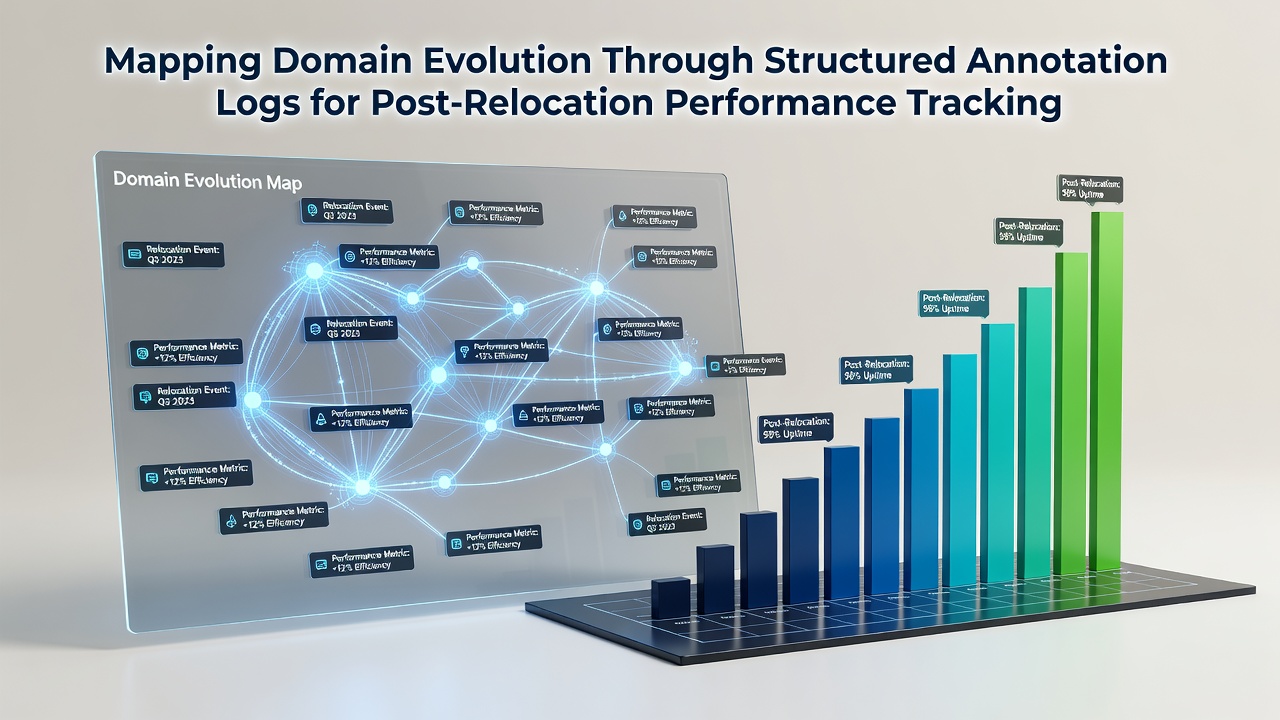
Performance tracking after relocation centers on metrics that reveal how search visibility, traffic distribution, and backlink authority respond to the new domain environment. Structured logs make it possible to align these metrics with specific events such as SSL certificate updates, robots.txt modifications, or internal link architecture revisions. Observers note that the ability to timestamp each annotation against performance data creates a timeline that clarifies cause-and-effect relationships rather than leaving teams to interpret isolated spikes or dips in analytics dashboards.
Figures from industry reports show that sites maintaining detailed annotation records experience faster recovery in organic search rankings, typically within four to six weeks when issues are caught early. In contrast, sites lacking such records often require repeated manual audits to identify the same problems. Those who've studied migration patterns across different industries point out that the inclusion of crawl budget annotations helps teams anticipate whether search engines have allocated sufficient resources to reprocess the new domain structure.
Implementation Practices Observed in 2025-2026
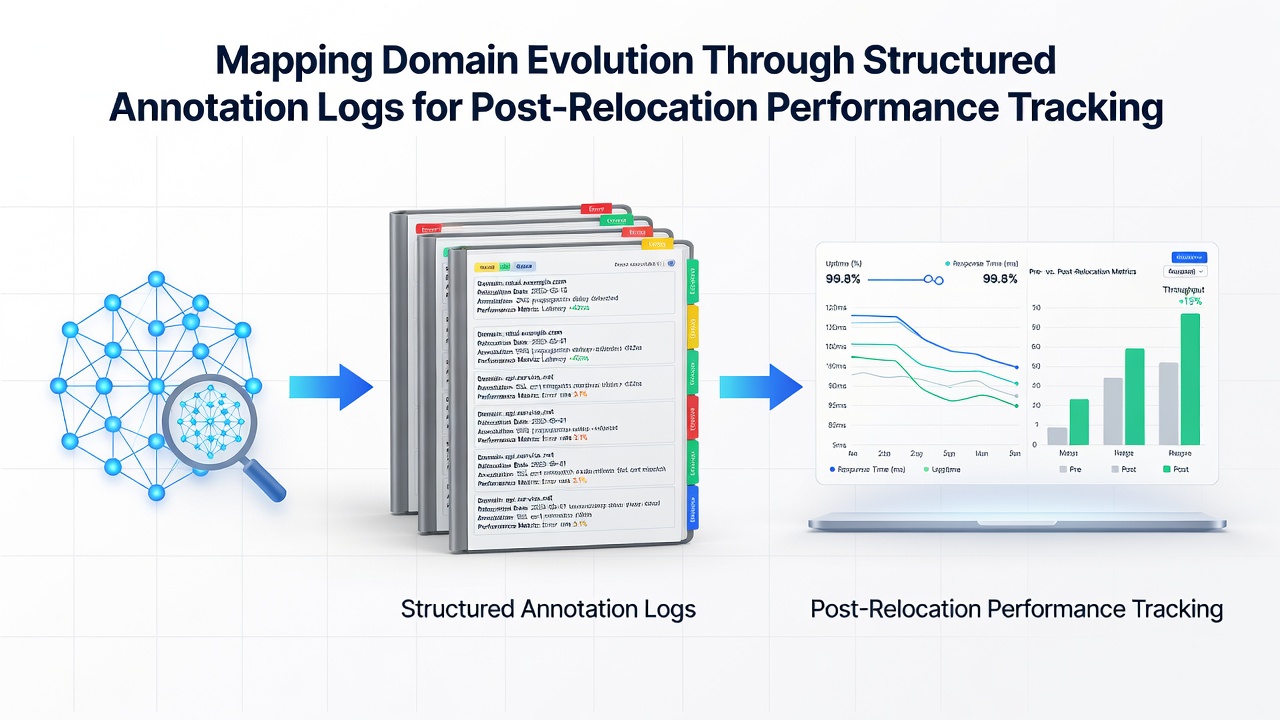
Many organizations now integrate annotation logging directly into their content management systems so that every content update or redirect rule automatically generates a corresponding log entry. This automation reduces human error and ensures that the historical record remains complete even during high-volume migration phases. Data from European digital infrastructure studies released in early 2026 highlights how automated logging correlates with lower rates of duplicate content issues post-migration, because teams can trace exactly when canonical tags or hreflang attributes were adjusted.
September 2026 brought new recommendations from international standards bodies regarding the minimum fields required in annotation logs for domains undergoing relocation, emphasizing the need to record both primary and secondary signals such as mobile-first indexing status and Core Web Vitals scores at each checkpoint. These guidelines encourage organizations to maintain logs for at least eighteen months after relocation to capture seasonal traffic variations and long-term authority rebuilding patterns.
Case Examples from Enterprise Migrations
Take one logistics company that relocated three regional domains to a unified global structure in late 2025. By maintaining structured logs that noted every change in internal linking and external backlink acquisition, the team identified a temporary loss in crawl priority that coincided with a server-side redirect loop. The annotation record allowed them to isolate the issue within forty-eight hours and restore full indexing within ten days. Similar patterns appear in reports from Australian government digital service migrations, where annotation logs helped teams distinguish between planned content updates and unintended indexing regressions.
Another example involves a North American media publisher that tracked anchor text evolution across thousands of inbound links after moving to a new domain. The logs revealed gradual shifts in link velocity that aligned with content refresh cycles, providing evidence that performance improvements resulted from deliberate editorial changes rather than external ranking fluctuations. Researchers continue to analyze these datasets to refine predictive models for future migrations.
Conclusion
Structured annotation logs serve as the connective tissue between raw migration events and measurable performance outcomes, enabling teams to map domain evolution with precision. Evidence from multiple regions shows that consistent logging practices shorten recovery periods and reduce the frequency of repeated audits. As standards evolve through 2026 and beyond, organizations that embed these practices into their operational workflows position themselves to respond more effectively when domains undergo relocation.